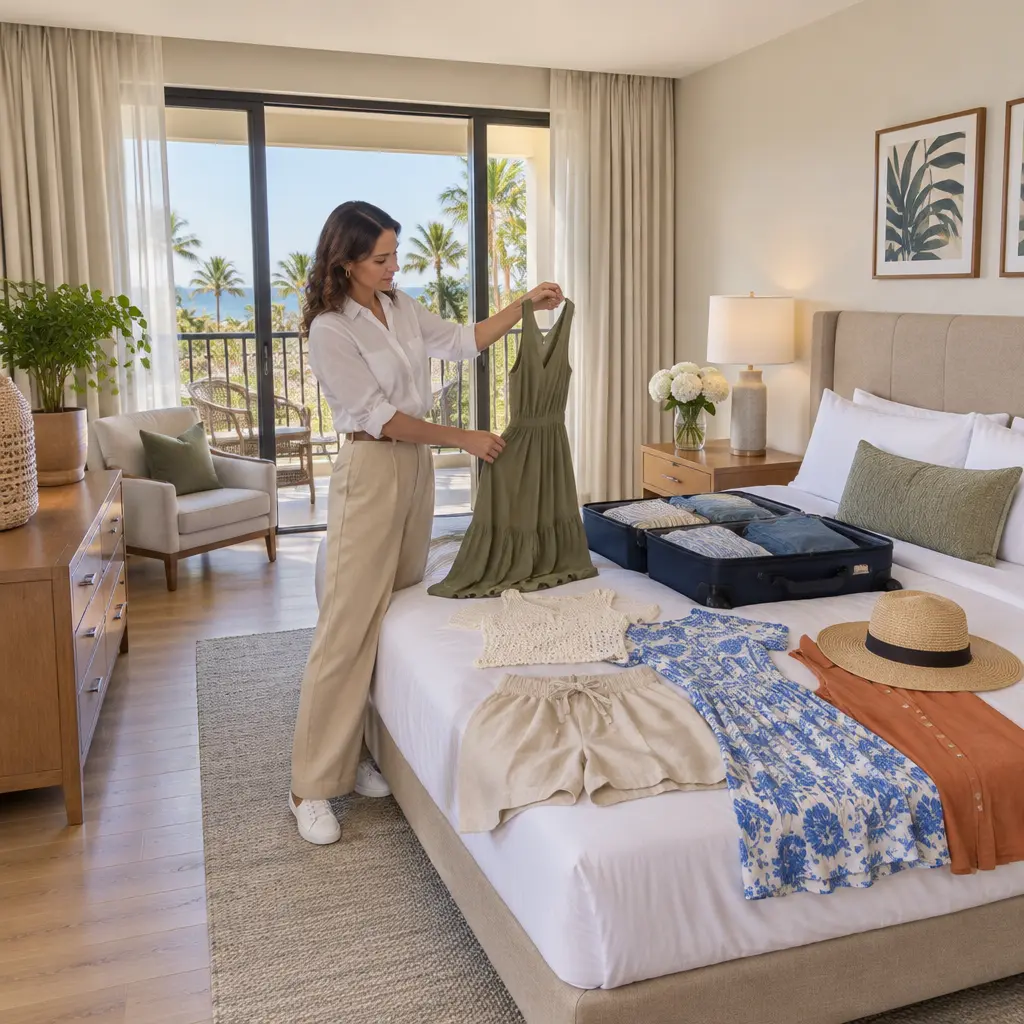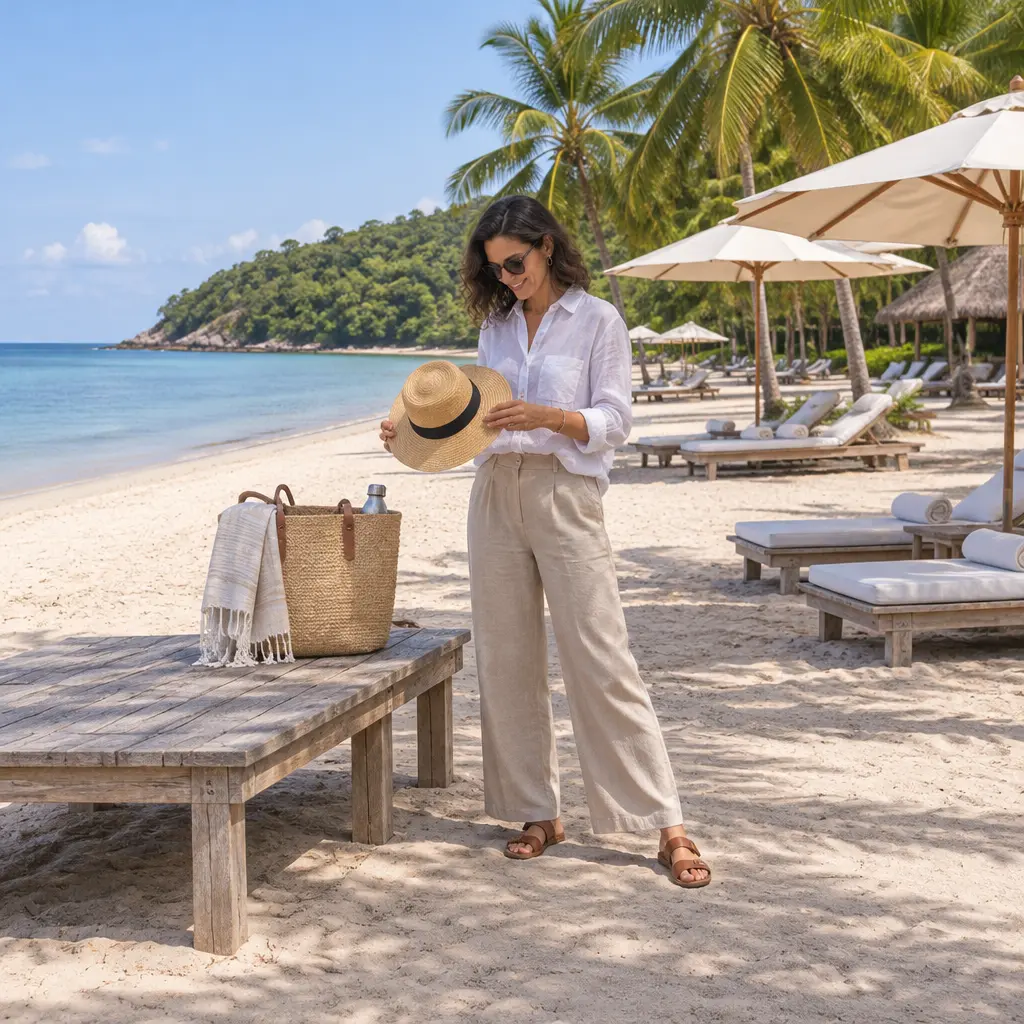
Luxury beachwear is resort clothing designed for sun, salt water, and relaxed settings, but “not basic” means choosing pieces with a point of view: distinctive construction, considered materials, and styling that feels personal rather than interchangeable. The strongest outfits pair function with fashion—think sculptural swimwear under a linen shirt, a dramatic caftan with polished sandals, or a sharply cut one-piece worn as a bodysuit. That balance matters in a market where travel is substantial: UN Tourism reported an estimated 1.4 billion international tourist arrivals in 2024, about 99% of 2019 levels. The ideas below cover design principles, outfit formulas, fabrics and fit, accessories, and practical care so a beach wardrobe feels elevated without sacrificing comfort.
Luxury beach outfits express individuality through design, material, and styling
There is no single formal industry definition of “luxury beach outfit.” For this guide, it means a coordinated look for coastal leisure that combines swim or resort clothing with elevated design, quality materials, and deliberate styling. Luxury is not simply a logo or a high price: it can show up in a precise fit, thoughtful fabric, artisanal detail, versatile construction, or a silhouette that suits the wearer.
The key characteristics are wearability in heat, suitability for the setting, and a recognizable personal signature. Those qualities distinguish the main outfit categories: swimwear-led looks, cover-up ensembles, lightweight tailoring, and occasion dressing for beach clubs or seaside dinners. A useful rule is to choose one focal point—such as an unusual neckline, a vivid print, or a striking accessory—and let the rest of the outfit support it.
Sculptural swimwear makes the simplest outfit feel intentional
Sculptural swimwear uses shape as its defining feature: asymmetrical straps, a square neckline, a deep but secure back, or carefully placed cutouts. A one-piece can double as a bodysuit with a flowing skirt or tailored shorts, while a coordinated bikini can anchor a monochrome look. Prioritize a secure fit and movement—sit, walk, and raise your arms when trying a piece on—rather than choosing a design solely for its appearance.
For a quieter statement, choose a single-color suit with strong lines and refined hardware. For a bolder one, use a vivid hue or graphic print, then keep the cover-up simple. This approach creates visual impact without stacking competing trends.
Statement cover-ups add movement and coverage
A cover-up is a garment worn over swimwear for sun protection, modesty, or movement between the beach and other settings. The most versatile options include a long shirt, pareo, kaftan, or lightweight robe. A crisp oversized shirt looks relaxed over a swimsuit; a pareo can be tied as a skirt or dress; and a kaftan brings volume and drama without requiring complicated layering.
Choose the shape according to the day. A breezy, open weave works for lounging, while a more opaque fabric offers greater coverage for a promenade or resort restaurant. A cover-up is not automatically sun-protective: the Skin Cancer Foundation notes that clothing’s ultraviolet protection varies with its weave, coverage, and other fabric properties, so use shade and sunscreen as well.
Lightweight tailoring creates a polished coastal uniform
Lightweight tailoring brings the clean lines of city dressing into warm-weather travel. Linen trousers, a relaxed blazer, a sleeveless vest, or a matching shirt-and-short set can turn swimwear into a complete outfit. Linen is valued for its airy feel and natural texture, while cotton poplin offers a crisper finish; either can look elevated when the proportions are deliberate and the garment is well finished.
The European Confederation of Flax and Hemp (CELC) describes flax as a natural, renewable plant fiber used to make linen. That material story may appeal to travelers seeking natural-fiber options, but “natural” alone does not establish a garment’s overall environmental impact. Consider construction, durability, care needs, and how often the piece will be worn.
Luxury beach outfit formulas adapt to destination and occasion
Once the main pieces are chosen, the setting determines how to combine them. A private beach, a rocky coastline, a resort pool, and a beach-club lunch all call for different levels of coverage and formality. The following formulas are adaptable starting points rather than rigid dress codes.
The beach-club look pairs swimwear with considered layers
For a beach club, combine a well-fitting swimsuit with a linen shirt or tailored shorts, then add a structured tote and sandals that are comfortable on warm surfaces. A matching set makes the outfit feel deliberate; a contrasting cover-up creates more visual interest. Check the venue’s rules before arriving, since some restaurants and clubs require guests to cover swimwear.
A practical example is a black one-piece, ivory wide-leg trousers, and a colored silk scarf tied to the bag. The high-contrast palette feels polished, while each piece can work separately for other parts of the trip.
The resort-pool look favors ease and repeat wear
For poolside lounging, choose pieces that are easy to put on and remove, such as a swimsuit with a soft wrap skirt or a loose cotton shirt dress. A hat with a broad brim and sunglasses provide useful shade and finish the look. The U.S. Centers for Disease Control and Prevention advises using multiple forms of sun protection, including shade, protective clothing, and sunscreen; clothing and accessories should complement, not replace, other protection.
To keep a pool look from feeling generic, introduce one personal element: vintage-inspired sunglasses, a textured belt, a distinctive print, or a family heirloom. Repeating one accent color across the bag and jewelry can make mixed pieces feel coordinated.
The seaside-evening look converts resort pieces after sunset
For a seaside dinner, swap wet swimwear for a dry base layer and use resort pieces in a more formal combination. A column skirt with a linen vest, a fluid maxi dress, or a one-piece under a tailored jacket can work where the venue allows. Add a compact evening bag and jewelry that can withstand the trip, but avoid wearing delicate pieces in the water.
A simple transition plan helps: pack one dry outfit in a separate pouch, carry a lightweight layer for air-conditioned interiors, and check local customs or dress expectations. A beautiful outfit is more useful when it suits the place as well as the photograph.
Fabric, fit, and care determine how beachwear performs
Beach clothing faces sunlight, salt, chlorine, sand, and repeated washing. Fabric choice and garment care therefore affect comfort and longevity as much as appearance. Fiber content alone cannot guarantee performance: weave, lining, garment construction, and care instructions all matter.
Breathable fabrics support comfort in warm weather
Breathable fabrics allow heat and moisture to move away from the body more readily than dense, heavy materials. Linen and lightweight cotton are popular for shirts, trousers, and cover-ups; swimwear commonly uses stretch fibers to support fit and movement. Look for a fabric weight and construction suited to the garment, because a transparent shirt may be comfortable over a swimsuit but less suitable as standalone clothing.
For extended sun exposure, consult a garment’s stated ultraviolet protection factor (UPF), where available, and favor coverage. The Skin Cancer Foundation explains that UPF measures how much ultraviolet radiation a fabric blocks; the rating applies to the tested garment under specified conditions. A high-quality beach wardrobe should make room for protective layers, not just decorative ones.
A precise fit improves both confidence and function
Fit means more than choosing a size label. Swimwear should stay secure without digging in, trousers should allow comfortable movement, and cover-ups should provide the intended amount of coverage. Since sizing differs across brands, use garment measurements and fit notes, and check return policies before ordering for travel.
For swimwear, consider support needs, strap placement, lining, and how the fabric behaves when wet. For tailored pieces, check whether the cut can accommodate a swimsuit underneath. Small adjustments—such as shortening a hem or replacing a button—can make a garment feel custom without requiring an entirely new outfit.
Care extends the life of resort clothing
Rinse swimwear after use, follow the care label, and dry it away from prolonged direct heat where possible. Salt, chlorine, sunscreen, and rough surfaces can affect color and elasticity, so avoid leaving wet garments bunched in a beach bag. Store delicate accessories separately, and pack a small laundry pouch to keep damp items from contacting dry clothing.
These habits support repeat wear and help travelers pack fewer, more versatile pieces. The Ellen MacArthur Foundation’s work on circular fashion emphasizes keeping products and materials in use; at the wardrobe level, choosing durable garments and caring for them well is a practical way to extend use, even though it does not by itself resolve fashion’s wider environmental challenges.
Accessories give distinctive beach outfits a personal signature
Accessories finish an outfit and can also serve practical needs. The most effective choices support the setting: a sun hat for shade, a roomy tote for essentials, sandals suited to the ground, and jewelry selected with water and heat in mind. A small number of well-chosen accents usually looks more intentional than a crowded collection.
Hats, sunglasses, and bags balance style with utility
A hat adds shape and shade, while sunglasses protect the eyes and establish the outfit’s mood. Choose a bag with enough room for sunscreen, a water bottle, and a dry layer; woven textures can feel relaxed, while a structured canvas or leather-trimmed tote reads more polished. The CDC recommends seeking shade and wearing protective clothing as part of sun protection, making these accessories useful beyond appearance.
For a distinctive finish, select one accessory that contrasts with the outfit’s palette. A sculptural hat can elevate a neutral set, while a colorful bag can enliven a dark swimsuit. Keep valuables and materials that may be damaged by water away from the shoreline.
Footwear should match the terrain
Beach footwear ranges from simple slides to supportive sandals and espadrilles. Choose according to the destination: soft sand, hot pool decks, cobbled streets, and rocky coves place different demands on shoes. A minimal leather sandal may suit lunch, while a secure, grippy option is safer for uneven coastal paths.
Comfort is part of luxury. If a pair cannot be walked in for more than a few minutes, it is unlikely to be the right travel choice, however striking it looks. Pack one versatile pair for daytime and a second option only if the itinerary calls for it.
Jewelry and small details make the outfit feel individual
A personal detail can be a sculptural cuff, a silk scarf, a distinctive hair clip, or a piece of local craft bought respectfully from a maker. For swimming, remove jewelry that could snag, discolor, or be lost; salt water, chlorine, sunscreen, and friction can affect some metals and finishes. Keep sentimental or valuable pieces in a secure place rather than wearing them into the sea.
The best signature is one that feels authentic and repeats naturally across outfits. A consistent color, a preference for architectural shapes, or a love of handmade accessories gives a travel wardrobe cohesion without making every look identical.
Conclusion: Build a beach wardrobe with a point of view
Luxury beach outfits feel distinctive when swimwear, cover-ups, lightweight tailoring, and accessories work together for the destination. Start with a strong focal piece, choose breathable and well-fitting layers, and use practical sun protection and careful garment care to make the wardrobe work beyond a single photograph. With international tourism estimated at 1.4 billion arrivals in 2024 by UN Tourism, travelers have many reasons to build adaptable looks for different settings. Before your next trip, review the itinerary, choose a compact color palette, and invest in pieces you will wear repeatedly—not merely those that look impressive on arrival.
Sources: UN Tourism, World Tourism Barometer, January 2025, https://www.unwto.org/news/international-tourism-recovers-pre-pandemic-levels-in-2024; The Skin Cancer Foundation, Sun-Protective Clothing, https://www.skincancer.org/skin-cancer-prevention/sun-protection/sun-protective-clothing/; U.S. Centers for Disease Control and Prevention, Sun Safety, https://www.cdc.gov/skin-cancer/sun-safety/index.html; European Confederation of Flax and Hemp (CELC), Linen and Flax, https://allaboutlinen.eu/; Ellen MacArthur Foundation, A New Textiles Economy: Redesigning Fashion’s Future, https://ellenmacarthurfoundation.org/a-new-textiles-economy.