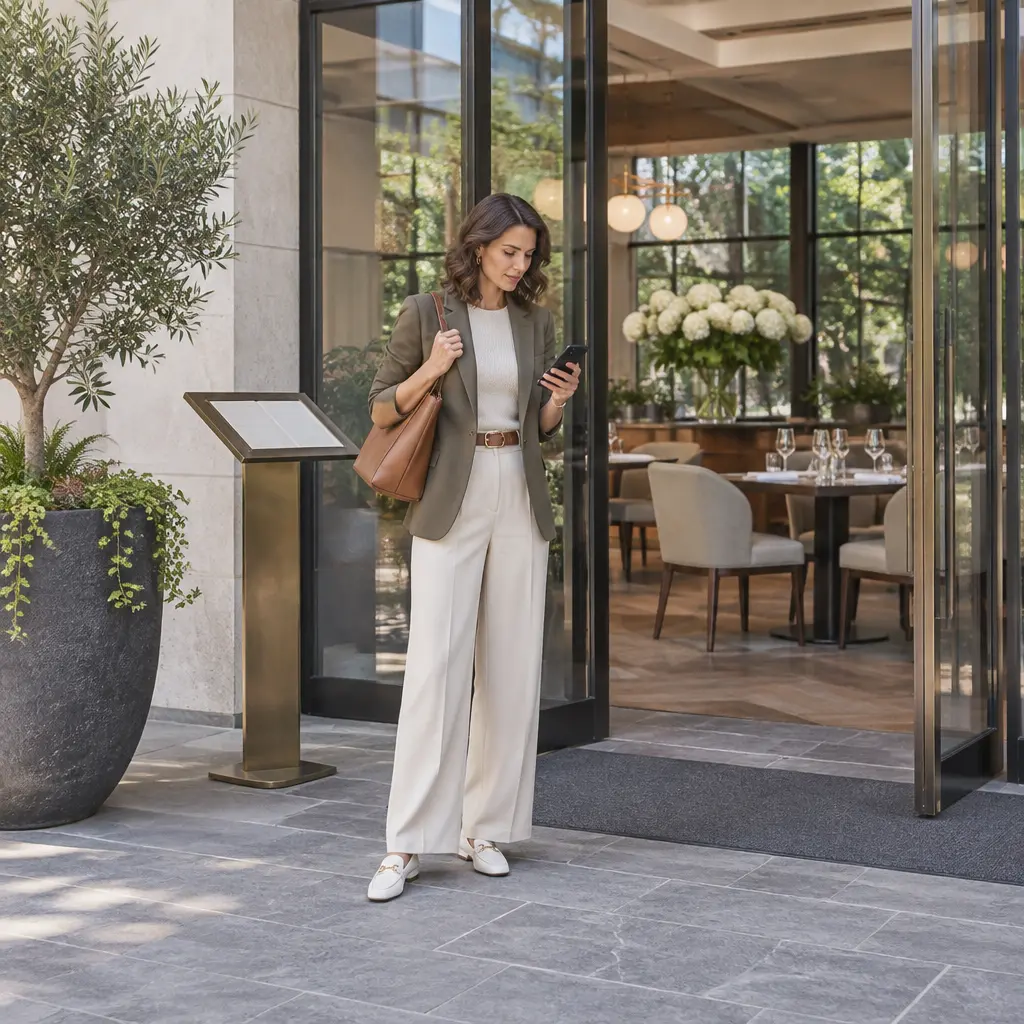
Dinner at a five-star hotel calls for polished, occasion-appropriate clothing—not automatically a tuxedo or evening gown. The safest choice depends on the restaurant’s dress code, the kind of meal, and the hotel’s own guidance: smart casual often works for a relaxed venue, while fine dining may call for business or cocktail attire. A hotel’s star rating describes the property, not a universal clothing rule. Check the restaurant’s current policy, then choose a neat, well-fitting outfit that respects it.
Dress codes define what to wear to a five-star hotel dinner
A dress code is a venue’s guidance about clothing and footwear, ranging from casual to formal. It sets expectations for guests but is not standardized across all luxury hotels. A five-star property may contain several restaurants, each with a different atmosphere and policy; the hotel’s overall rating therefore cannot tell you exactly what to wear.
Common dress-code categories include smart casual, business casual, cocktail attire, and formal or black tie. Their meanings can vary between venues, so treat them as useful signals rather than universal definitions. The restaurant’s own website, reservation confirmation, or staff should be your first source.
Smart casual: polished but relaxed
Smart casual combines tidy, intentional pieces with a comfortable level of formality. For example, you might wear tailored trousers or a skirt with a blouse, fine knit, or crisp shirt; a casual jacket can add polish. Clean, understated shoes are a safer choice than athletic trainers, unless the restaurant explicitly permits them.
This option often suits a hotel’s informal dining room, lounge, or relaxed dinner service. “Casual” does not necessarily mean beachwear, visibly worn clothing, or gym attire: when in doubt, choose neat clothes with a more structured finish.
Business and cocktail attire: a step up
Business attire usually means a suit or similarly structured separates, while cocktail attire suggests dressed-up evening clothing without necessarily requiring black tie. A tailored suit, a refined dress, or coordinated separates can work for a special-occasion dinner or an upscale restaurant when its guidance indicates a more formal look.
These categories are particularly useful when a venue uses broad wording such as “elegant” or “smart.” Because those terms are open to interpretation, check the restaurant’s examples or ask the reservations team rather than assuming a precise standard.
Formal and black-tie dress
Formal dress is the most elevated category and may mean eveningwear; black tie specifically indicates a tuxedo or dinner jacket for men and typically a formal evening outfit for other guests. These are not default requirements for every dinner at a luxury hotel. Wear them when the invitation, restaurant, or event explicitly requests them.
A special event, private dining booking, or holiday gala may set a different standard from the hotel’s everyday restaurant service. Confirm whether the stated dress code applies to the whole evening or only to a particular event.
Choose dinner clothes by restaurant, occasion, and time
Once you know the dress-code category, match your outfit to the specific setting. A destination restaurant, an all-day dining room, and a hotel bar can have different expectations even under the same roof. The meal’s occasion and timing may also help you decide how formal to dress.
Fine dining and destination restaurants
For fine dining, favor clean, well-fitting clothing and a composed silhouette. A jacket, tailored separates, or a polished dress is a sensible choice if the restaurant describes its atmosphere as formal or elegant. Avoid treating a high price point or awards as proof of a particular dress code; consult the venue’s stated policy instead.
If the website provides no guidance, contact the restaurant directly. A short question such as “Is a jacket required, and are trainers acceptable?” is more reliable than guessing from photographs or the hotel’s star rating.
Hotel cafés, lounges, and casual dining rooms
A café, buffet, or lounge may be more relaxed than the hotel’s signature restaurant. Neat trousers, a presentable top, and clean shoes are generally versatile choices, but policies can differ by property, time, and venue. Poolside clothing may not be suitable for an indoor dinner room even when both spaces are part of the same hotel.
Business dinners, celebrations, and evening occasions
For a business dinner, choose a professional outfit that you can wear comfortably through the meal. For an anniversary, birthday, or other celebration, add a more formal detail—such as a tailored jacket, refined accessories, or evening footwear—without exceeding the venue’s requested level of formality.
Evening service can feel more dressed-up than lunch, but time alone does not establish a rule. The restaurant’s policy and the event invitation remain the best guides.
Build a comfortable, respectful outfit
A successful dinner outfit balances appearance with comfort. You may be seated for several hours, walking through the hotel, or moving between indoor and outdoor spaces. Choose clothes that fit well, allow you to move and sit easily, and suit the expected temperature and setting.
Fit, fabric, and footwear
Well-maintained clothing usually looks more polished than an elaborate outfit that is uncomfortable or poorly fitted. Check that hems, closures, and shoes are in good condition. If you are unsure about footwear, opt for clean, understated shoes rather than flip-flops or heavily worn trainers, unless the venue’s policy says otherwise.
Weather, travel, and cultural considerations
Plan for the local climate and your route to dinner. A light layer can help with air conditioning, while a coat or wrap may be useful outdoors. When dining in another country, local customs and the hotel’s guidance may affect expectations; modest, tidy clothing is a practical default if you are uncertain.
A quick check before you leave
- Read the restaurant’s dress-code wording and reservation details.
- Check whether the policy mentions jackets, footwear, or restrictions on casual clothing.
- Choose an outfit one step more polished if the guidance is vague.
- Make sure your clothes and shoes are clean, comfortable, and appropriate for the occasion.
- Ask the restaurant directly if an important detail remains unclear.
Conclusion: follow the restaurant’s dress code
For dinner at a five-star hotel, dress to match the individual restaurant—not the star rating alone. Smart casual is a useful starting point for relaxed venues; business or cocktail attire suits a more elevated setting; formal or black tie is appropriate when specifically requested. Check the venue’s guidance, consider the occasion and local context, and choose polished clothes you can comfortably wear throughout the meal.
Before your reservation, review the restaurant’s official information or contact its team. That simple step helps you arrive prepared without overdressing or relying on assumptions.
Sources: Forbes Travel Guide, What Is a Five-Star Hotel?; The Ritz-Carlton, Frequently Asked Questions and individual restaurant information; Four Seasons Hotels and Resorts, individual restaurant information and dining policies.