A luxury-trip footwear formula is a small, coordinated shoe wardrobe chosen to cover the trip’s walking, weather, dress codes, and luggage limits without sacrificing comfort or polish. The reliable version is three pairs: a refined walking shoe, a versatile dress shoe, and a weather-ready option—reduced to two when the itinerary is short and conditions are predictable. This approach reflects a practical travel reality: the U.S. Travel Association has reported that Americans take billions of domestic leisure trips annually, while travel-industry surveys consistently identify packing and comfort as important parts of trip planning. The best formula starts with the itinerary, then balances fit, materials, versatility, and care.
Luxury-trip footwear formula: the three-role packing system
There is no universal medical or fashion-industry definition of a “luxury-trip footwear formula.” Here, it means a deliberate set of shoes in which every pair serves a distinct travel role and works with multiple outfits. The principle is similar to a capsule wardrobe: choose complementary, repeatable pieces rather than packing a different pair for each look.
A useful default is one polished shoe for sustained walking, one elevated shoe for dinners or formal settings, and one pair suited to rain, terrain, or recovery. These roles may overlap: a leather sneaker can handle sightseeing and casual restaurants, while a sleek loafer can work for both daytime appointments and evening plans. The formula is a starting point, not a fixed rule; a resort stay, a city break, and a hiking itinerary require different footwear.
The refined walking shoe
A refined walking shoe is the pair designed for the longest and most frequent stretches on foot, while still fitting the trip’s aesthetic. Depending on the traveler and destination, it might be a supportive leather sneaker, a cushioned flat, or a well-fitted walking sandal. Look for a stable sole, a secure fit, breathable construction, and enough toe room; luxury branding alone does not guarantee comfort.
The American Podiatric Medical Association advises choosing shoes that fit comfortably and support the foot, and recommends shopping for shoes later in the day because feet can swell. That makes a real-world fitting test more useful than relying on a size label: walk in the shoes, check for slipping or pressure, and avoid taking an untested pair on a trip. If the itinerary includes extensive walking, this pair should be the one you trust most—not the one that looks best in a suitcase.
The elevated day-to-evening shoe
An elevated day-to-evening shoe provides a more dressed-up option without being limited to one occasion. Examples include a polished loafer, a low block heel, a refined ballet flat, or a minimalist dress shoe. Choose a shape and color that coordinate with several outfits; a neutral shade can increase the number of combinations, but the best color is the one that suits the actual clothing packed.
This role is especially useful when a trip includes smart-casual restaurants, cultural events, or business meetings. Check venue expectations before departure: “luxury” does not mean every restaurant requires formal shoes, and some destinations involve stairs, cobblestones, or long walks between venues. A moderate heel or structured flat is often more adaptable than a delicate high heel when the evening begins with a walk.
The weather- and terrain-ready pair
The third role is conditional: it addresses a specific exposure that the other shoes do not handle well. A waterproof ankle boot can help in wet, cold weather; a grippy walking shoe may suit uneven paths; and a secure sandal can work for a warm-weather resort. If the forecast and itinerary are mild, the third pair may be unnecessary. If the trip includes rain, trails, or changing temperatures, it may be more valuable than a second dress shoe.
Use destination climate information and planned activities to make the choice. The National Weather Service’s climate resources can help travelers assess typical conditions, but seasonal averages are not a forecast for the dates of travel. For outdoor routes, prioritize traction and stability over appearance; for wet city streets, consider water-resistant materials and soles that grip. This is where the formula adapts rather than asking one fashionable pair to do every job.
Itinerary determines the right luxury-trip footwear formula
Once the three roles are clear, match them to the trip’s actual schedule. A shoe that is ideal for a hotel-to-car weekend may fail on a walking-heavy city itinerary. Review the days in sequence and identify the longest walking day, the most formal occasion, and the most challenging weather or surface. Those three details usually reveal which roles deserve suitcase space.
City breaks and cultural itineraries
For a city trip, put comfort and traction first because sightseeing often means repeated walking over mixed surfaces. Pack a tested walking shoe as the primary pair and a polished loafer, flat, or low heel for dinners and venues with a dressier atmosphere. A third pair is justified if rain is likely or the itinerary includes a separate activity such as a countryside excursion.
The practical example is a long weekend in a historic city: leather sneakers for daytime, loafers for dinner, and a compact waterproof shoe only if the season or forecast calls for it. If the walking shoe also looks appropriate with the traveler’s casual evening clothes, the second pair can be lighter and more formal rather than another all-purpose sneaker.
Resorts, warm-weather escapes, and cruises
A resort itinerary shifts the balance toward sandals, poolside footwear, and one polished option for meals or evening events. A secure sandal with a supportive footbed may cover daytime walking, while a dressier sandal or flat serves dinners. Add a separate pool shoe when the property’s facilities or hygiene preferences make it useful; do not assume a delicate evening sandal is safe on wet surfaces.
Cruises and resort stays can have varied dress codes, so check the operator’s current guidance rather than packing for a vague idea of formality. Also consider transitions between ship, shore, and excursions. A compact walking shoe is a better choice for a port day involving uneven streets than a shoe selected only for photographs.
Business travel and formal occasions
For business travel, the formula should include shoes that fit the expected dress code and remain comfortable during transfers and standing. One polished work shoe may cover meetings and dinners; a comfortable walking pair can handle airports and commuting. Add a specialized shoe only when the schedule requires it, such as formal evening wear or outdoor site visits.
The key distinction is between appearance requirements and activity requirements. A formal shoe may be necessary for a meeting but unsuitable for a long airport connection. Wear the bulkiest comfortable pair while traveling when practical, and reserve packed space for the shoe that cannot serve as transit footwear.
Fit, materials, and care make the footwear formula work
A well-planned shoe lineup still fails if the shoes are new, poorly fitted, or difficult to maintain. The American Academy of Dermatology notes that friction and moisture contribute to blisters, so managing rubbing and keeping feet dry matter on active trips. Break in new shoes before departure, pack blister protection, and rotate pairs when the itinerary allows.
Fit and comfort checks before departure
Fit is the relationship between the shoe’s length, width, shape, and support and the wearer’s foot. Try shoes with the socks or hosiery you plan to travel in, and test them on a walk that resembles the trip’s demands. Check that the heel does not repeatedly slip, the forefoot is not pinched, and the sole feels stable on turns and stairs. People with ongoing foot pain or medical concerns should seek individualized advice from a qualified clinician.
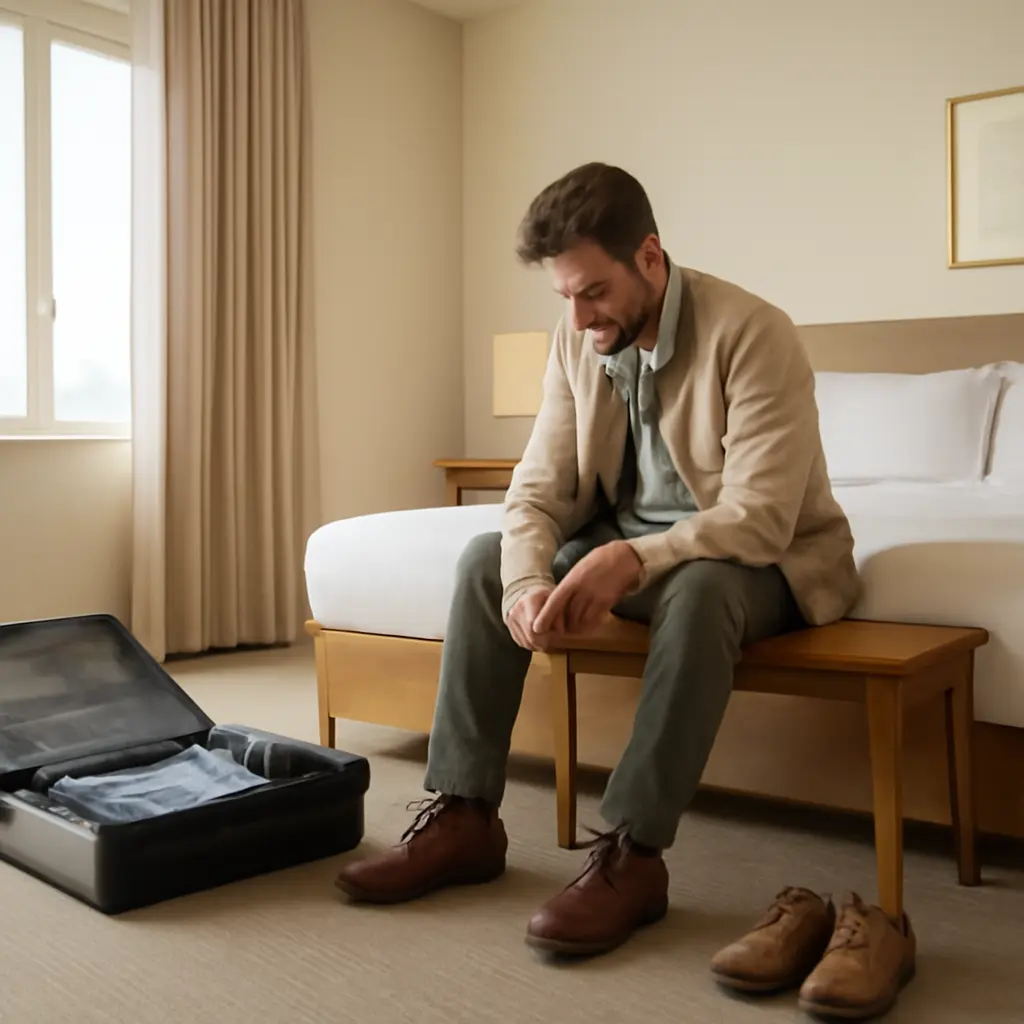
A simple pre-trip test is to wear each pair for several outings, not just around the house for a few minutes. This helps reveal hotspots before travel and gives leather or other materials time to adapt. Pack blister dressings or friction-reducing products as a backup, but do not treat them as a substitute for a suitable fit.
Material choice and destination conditions
Materials influence breathability, weather resistance, weight, and care. Leather can offer a polished appearance and may be treated for water resistance, but it still requires appropriate maintenance. Mesh and textile uppers can feel lighter and more breathable, while smooth soles may be less suitable on wet or uneven ground. Read the maker’s care instructions and consider whether the material can tolerate the destination’s likely conditions.
For a rainy itinerary, a water-resistant upper and grippy outsole can be more useful than a visually pristine but delicate shoe. For hot weather, ventilation and secure straps may matter more. No material makes a shoe universally suitable: match construction to the environment and avoid relying on a single pair for both formal events and demanding outdoor use.
Packing, rotation, and maintenance
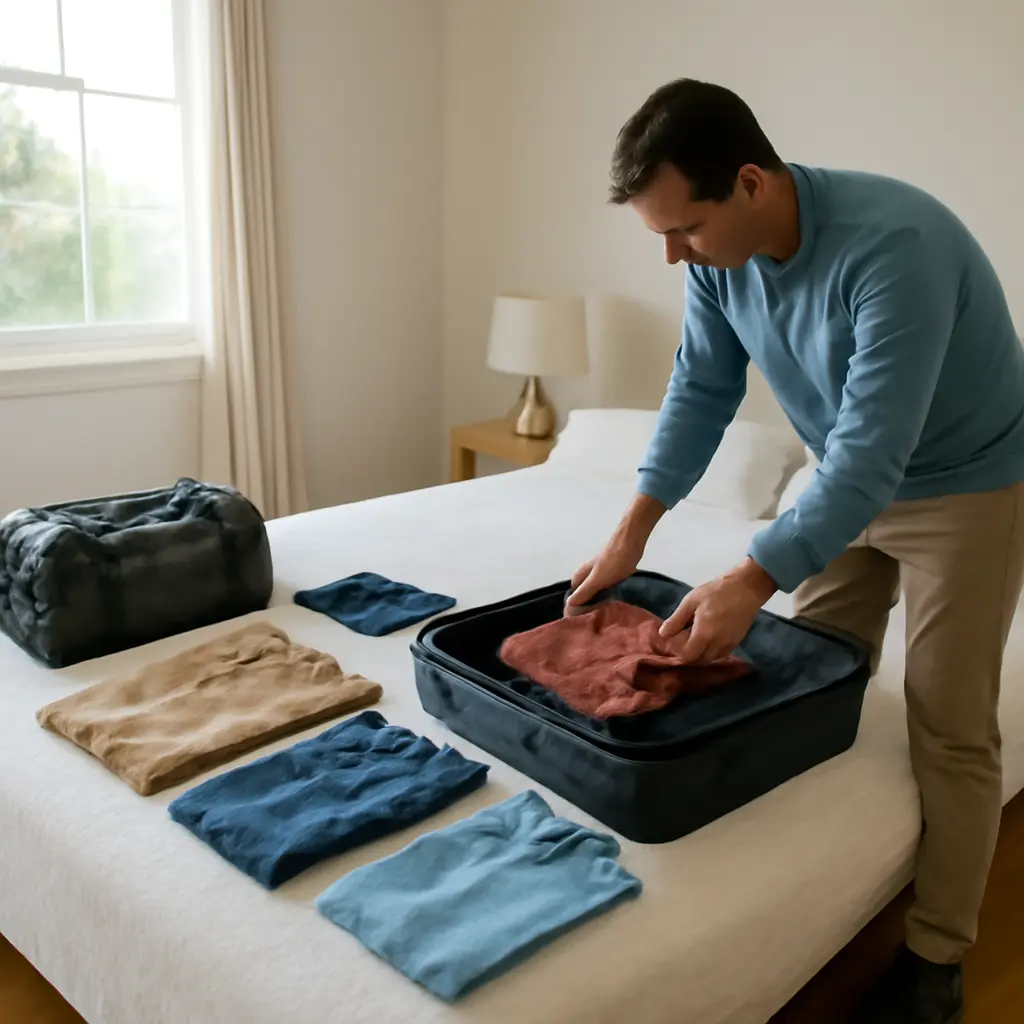
Packing efficiency comes from selecting shoes that serve distinct roles and coordinating them with clothing already planned. Place shoes in dust bags or clean covers, use the interior space for small items, and keep soles away from garments. If traveling with carry-on luggage, check the airline’s current baggage dimensions and your bag’s capacity rather than assuming a particular shoe count will fit.
Rotating shoes can give worn pairs time to air out, while a small care kit can address dust, minor scuffs, or wet conditions. The kit need not be elaborate: a cloth, appropriate cleaning product, and blister supplies may be enough. A shoe that needs extensive upkeep or cannot handle the trip’s weather may not be a practical luxury, regardless of its price.
A simple checklist for choosing the final pairs
Before packing, use this checklist to test whether each shoe earns its place:
- Does it fill a distinct role: walking, dressing up, or handling weather and terrain?
- Have you worn it long enough to confirm it is comfortable?
- Does its sole suit the surfaces you expect to encounter?
- Can it work with more than one planned outfit?
- Does the forecast or schedule make it necessary?
- Can you keep it clean and protected during transit?
If two pairs perform the same job, keep the more comfortable or versatile one. If a pair serves only one unlikely scenario, leave it behind unless that scenario is important enough to justify the space.
Conclusion: choose shoes for the trip you will actually take
The footwear formula that works for most luxury trips is built around three functions: a refined walking shoe, an elevated day-to-evening option, and a weather- or terrain-ready pair when conditions require one. Itinerary planning determines the lineup; fit, materials, and care determine whether it performs once you arrive. Before packing, review your schedule, check the forecast and dress codes, and test every pair. The result is a smaller, more useful shoe wardrobe that supports both comfort and style.
Sources: American Academy of Dermatology Association, How to prevent and treat blisters, https://www.aad.org/public/everyday-care/injured-skin/burns/prevent-treat-blisters; American Podiatric Medical Association, Shoe Shopping Tips, https://www.apma.org/Patients/FootHealth.cfm?ItemNumber=982; National Weather Service, Climate Data, https://www.weather.gov/wrh/climate; U.S. Travel Association, Travel Facts and Statistics, https://www.ustravel.org/research/travel-facts-and-statistics.