Evening resort wear is clothing designed for dinners, parties, and other after-dark occasions in vacation settings. Fashion insiders know that its success depends less on dressing formally than on balancing polish, comfort, climate, and place: breathable fabrics and relaxed shapes can feel as considered as traditional eveningwear when finished with thoughtful accessories. That approach fits the scale of modern travel: the World Travel & Tourism Council estimated that travel and tourism contributed 10.4% of global GDP in 2019, before the pandemic, underscoring the importance of clothing that works across leisure settings. The essentials are choosing climate-appropriate materials, matching the outfit to the occasion, and using accessories to create a refined finish.
How evening resort wear balances elegance and ease
Evening resort wear is a category of warm-weather occasion clothing intended for after-dark events at destinations such as coastal hotels, island resorts, and cruise ports. Unlike strict black-tie attire, it typically allows lighter fabrics, open footwear, and more expressive color, while still looking intentional and elevated. The term describes a dress code rather than a fixed uniform; the venue’s invitation and local customs determine how formal an outfit should be.
The core principle is controlled informality: choose a polished silhouette, then adapt its weight, coverage, and accessories to the setting. A linen suit can suit a beachfront restaurant, while a cocktail dress or tailored jumpsuit may be more appropriate for a resort gala. The U.S. Environmental Protection Agency identifies linen and cotton as natural fibers, but comfort depends on more than fiber content: weave, lining, fit, humidity, and whether the garment can be worn comfortably through an evening all matter.
Climate-responsive fabrics and construction
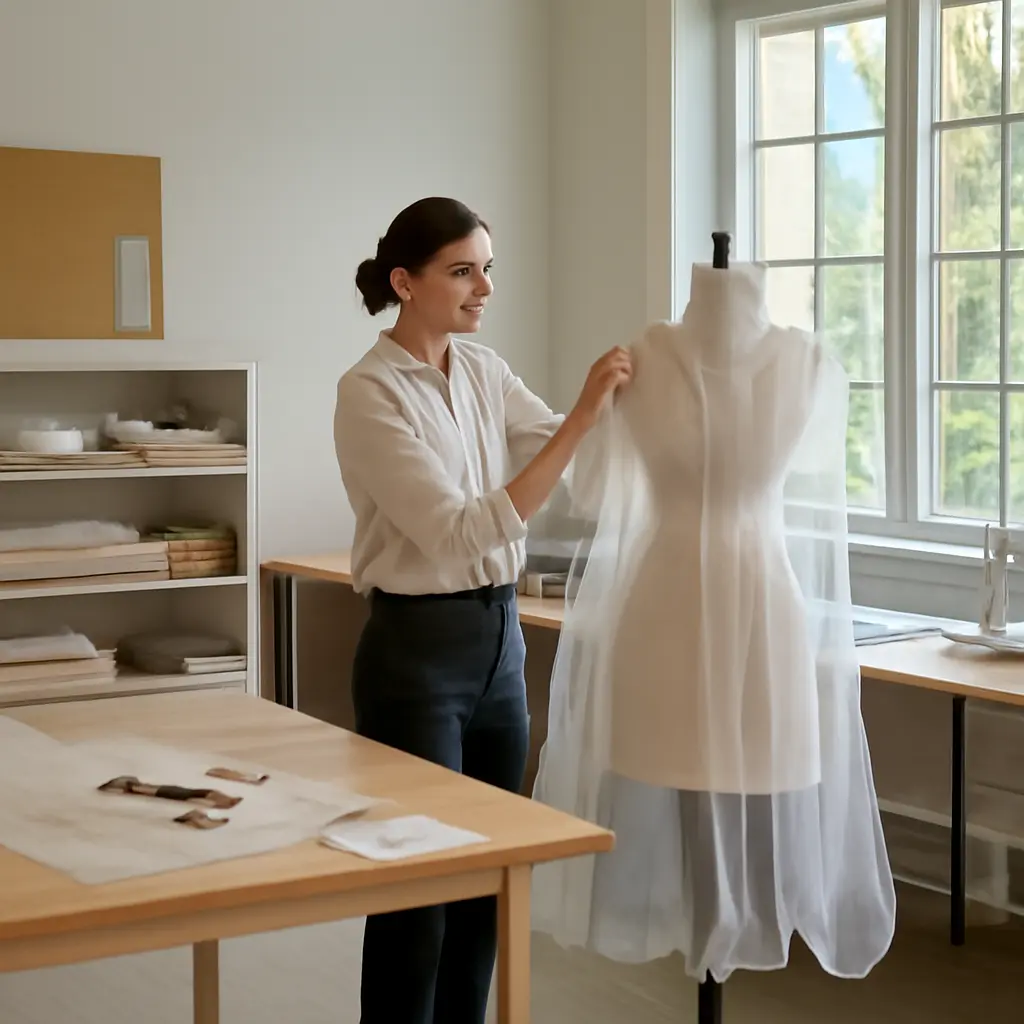
Climate-responsive eveningwear uses lightweight materials and construction that help a wearer stay comfortable without looking casual. Linen, cotton voile, silk, and some lightweight blends are common choices; open weaves and unlined or partially lined designs can reduce the sensation of heaviness in warm, humid conditions. A fabric label alone cannot guarantee comfort, so check the garment’s lining, seam finish, opacity, and how it moves when walking or sitting.
The World Meteorological Organization notes that humidity can affect how the body experiences heat, making breathable clothing especially relevant in tropical destinations. For practical styling, a lined silk dress, a relaxed linen suit, or a cotton-poplin set can each work, provided the outfit is sufficiently opaque and suited to the event. Pack pieces that resist creasing or can be steamed easily, since travel and humidity may alter a garment’s appearance before the occasion begins.
Silhouette, coverage, and occasion
Silhouette is the outline and proportion of an outfit; for evening resort wear, it should balance ease with a clear sense of occasion. Flowing maxi dresses, column dresses, wide-leg trousers, tailored shorts, and unstructured suits are all possible options, but appropriateness depends on the venue. A restaurant’s dress code, a wedding invitation, or a cruise line’s evening guidance should take precedence over broad assumptions about “resort style.”
A useful rule is to make one element notably dressed up—such as a sleek cut, rich color, elegant fabric, or refined shoe—rather than relying on multiple formal details at once. For a beachside dinner, a draped dress with flat metallic sandals may feel right; for a hotel cocktail event, a tailored jumpsuit and heeled sandals may better meet the tone. When an invitation specifies formalwear, resort ease does not replace the stated dress code.
How evening resort wear changes across style categories
The category includes several related styles, from relaxed coastal dressing to formal destination-event looks. These are useful distinctions, not rigid industry standards: the same garment can shift from casual to polished through fabric, fit, footwear, and accessories. Understanding the occasion first makes it easier to select the right version of resort eveningwear.
Coastal dinner dressing
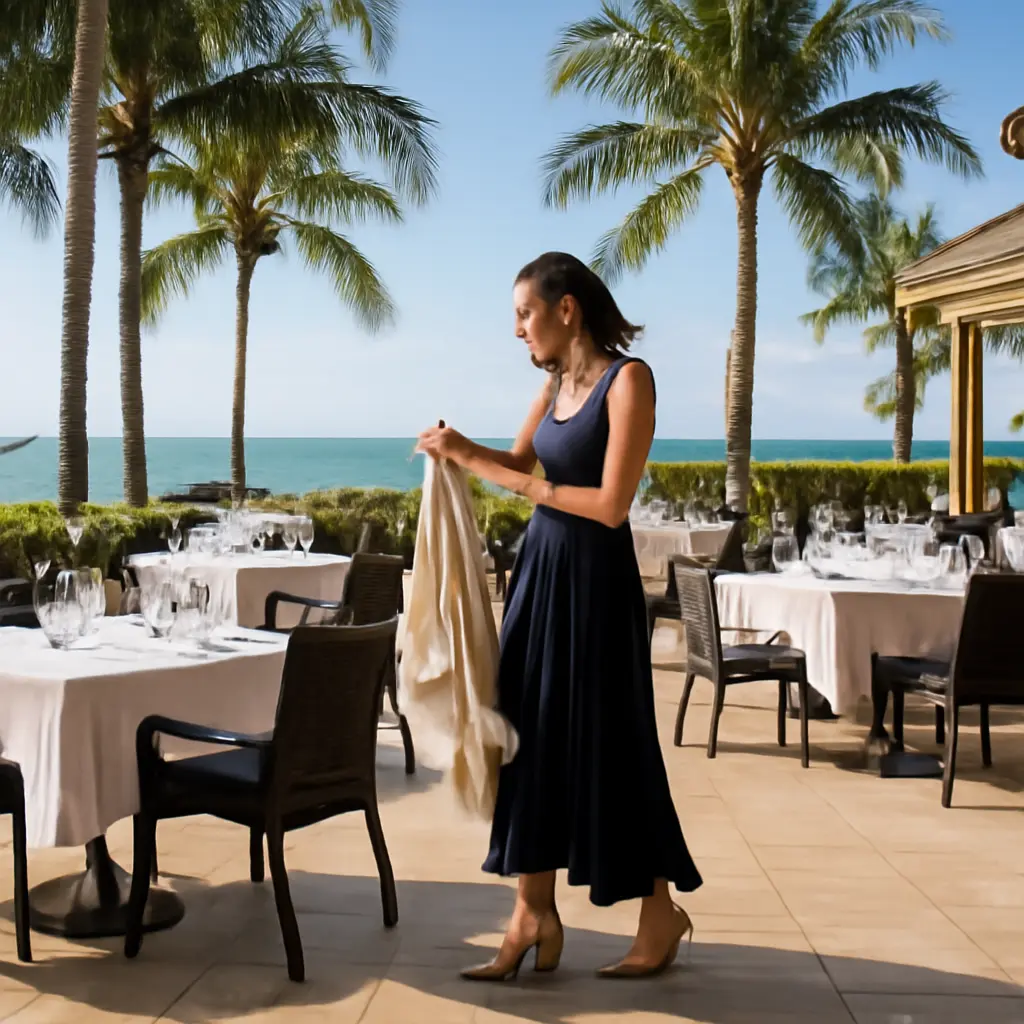
Coastal dinner dressing is the least formal branch of evening resort wear, suited to relaxed restaurants and seaside promenades. Think a crisp shirt with flowing trousers, a midi dress with simple jewelry, or a lightweight blazer over a breathable top. Natural textures and uncomplicated shapes work well, while clean footwear and a finished bag keep the look from reading as beachwear.
The practical distinction is between clothes intended for the beach and clothes designed for dinner. Swimwear, cover-ups, and wet sandals are generally better left out of a restaurant outfit unless the venue explicitly welcomes them. A quick change into dry clothing and a structured accessory can make a simple vacation wardrobe feel appropriate for the evening.
Resort cocktail and destination-event attire
Resort cocktail attire is a more polished interpretation for receptions, hotel bars, and celebrations where guests are expected to look dressed up but not necessarily black tie. A cocktail dress, tailored jumpsuit, silk separates, or lightweight suit can fit the category. For weddings, the couple’s dress code and cultural expectations should guide choices; avoid white or other colors the hosts reserve for the wedding party.
The destination affects the details, not the obligation to respect the event. Outdoor ceremonies may call for stable heels or dressy flats, while a ballroom reception can accommodate more formal shoes and accessories. The U.S. Travel Association’s research and reporting regularly treat travel as a major economic sector, but there is no universal official statistic defining “resort cocktail” dress; the phrase remains a practical style label rather than a standardized measurement.
Cruise and resort formal evenings
Cruise and resort formal evenings are the most structured form of the category, often involving gowns, dark suits, or other elevated attire. Requirements vary by operator and event, so check the cruise line’s current dress guidance or the resort’s invitation instead of assuming every evening is formal. A dark, lightweight suit or a refined long dress can provide a formal impression while remaining more comfortable than heavy conventional eveningwear.
This distinction matters because “evening resort wear” can describe both a casual outdoor dinner and a formal celebration. Confirming the venue, weather, flooring, and expected level of dress helps avoid either underdressing or packing impractical clothing. If details are unclear, a versatile outfit with a tailored layer and dressier shoes is easier to adjust than a highly specialized look.
How accessories and planning complete evening resort wear
Accessories turn comfortable vacation clothing into a deliberate evening outfit. Shoes, jewelry, bags, and light layers can raise the formality without requiring a heavy garment. The most reliable approach is to prioritize comfort and function first, then choose a small number of details that reinforce the occasion.
Shoes, bags, and jewelry
Resort evening accessories should suit both the dress code and the physical setting. Block heels, dressy flats, or refined sandals are often more practical than narrow stilettos on sand, cobblestones, or outdoor paths. A compact clutch or structured small bag looks evening-ready, while jewelry can add shine or color without competing with a patterned garment.
Consider walking distance and temperature when choosing accessories. Metal jewelry can feel warm against the skin, and delicate heels may be difficult on uneven ground. A light wrap or unstructured jacket can also provide coverage in air-conditioned dining rooms, where the indoor temperature may differ sharply from the outdoor heat.
Packing a versatile evening capsule
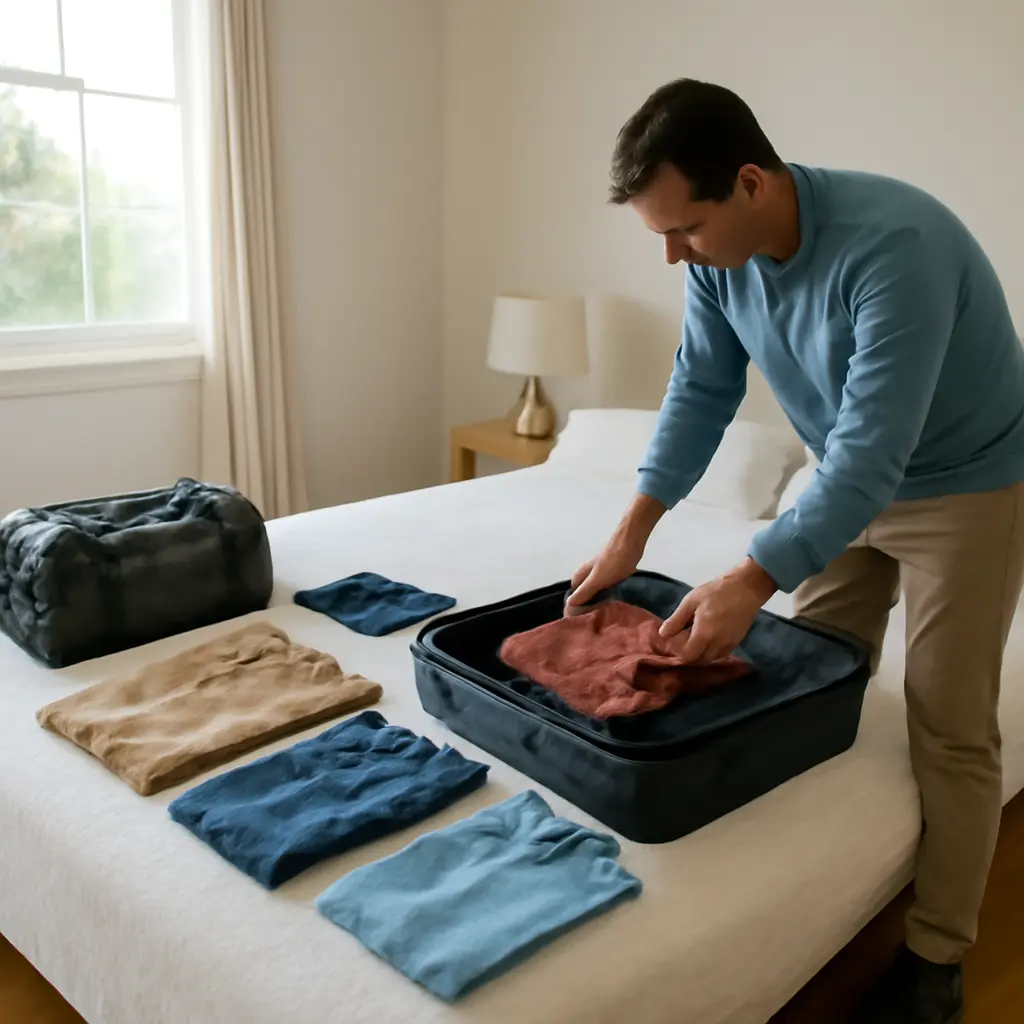
A resort evening capsule is a small group of interchangeable pieces that can create several outfits with limited luggage. For example, one dress, one lightweight tailored layer, two tops, one pair of polished trousers, and two suitable shoe options can cover a range of dinners and events. Choosing a consistent color palette makes it easier to combine separates and reduces the need for single-use items.
Before packing, check the itinerary, laundry access, expected weather, and any event-specific dress code. The U.S. National Oceanic and Atmospheric Administration provides climate information that can help travelers understand local conditions, although forecasts should be checked closer to departure. A simple planning chart can list each event, its formality, likely conditions, and the planned outfit; this makes gaps—such as missing rain protection or walkable shoes—visible before travel.
Conclusion: the insider approach to evening resort wear
The fashion-insider approach to evening resort wear is to treat it as a balance of polish, comfort, climate, and context. Climate-responsive fabrics and considered silhouettes establish the foundation; coastal dinner, cocktail, and formal-event categories clarify the level of dress; and practical accessories and a compact capsule make the wardrobe work in real travel conditions. Before buying or packing, confirm the venue’s expectations and build an outfit around where you will actually wear it. For further planning, consult the destination’s weather information and the event host’s dress guidance.
Sources: World Travel & Tourism Council, Economic Impact Reports, https://wttc.org/research/economic-impact; U.S. Environmental Protection Agency, Sustainable Materials Management: Textiles, https://www.epa.gov/smm/sustainable-materials-management-textiles; World Meteorological Organization, Heat and Health, https://wmo.int/topics/health/heat-and-health; U.S. Travel Association, Research, https://www.ustravel.org/research; U.S. National Oceanic and Atmospheric Administration, National Centers for Environmental Information, https://www.ncei.noaa.gov/.