Poolside dressing mistakes are easy to make—even for travelers with excellent wardrobes—because swimwear has to work across sun, water, walking, and shared spaces. The most common missteps are wearing a cover-up that stays transparent when wet, choosing footwear unsuited to slick surfaces, overlooking sun protection, and treating a hotel pool like a private beach. The fix is not a more complicated outfit: it is a small, practical poolside wardrobe built around coverage, comfort, venue rules, and fabric behavior.
Poolside dressing mistakes and the comfort, coverage, and etiquette behind them
Poolside dressing means choosing clothing and accessories for the transitions around swimming: arriving, lounging, walking through shared areas, and leaving. The Centers for Disease Control and Prevention’s advice to wear appropriate swimwear and follow facility rules reflects an important distinction: a pool outfit has to suit both the water and the setting around it. A stylish look can still fail if it is uncomfortable when damp, exposes more than intended, or ignores posted rules.
Sun protection makes the subject more than a matter of appearance. The World Health Organization identifies ultraviolet radiation as a cause of skin damage and recommends protective clothing, shade, and sunscreen as part of sun protection. Clothing is only one layer, but it is a useful one—especially during long outdoor pool visits. The mistakes below group into three practical areas: garment and fabric choices, footwear and accessories, and social or venue etiquette.
Mistake 1: Assuming a cover-up is opaque when wet
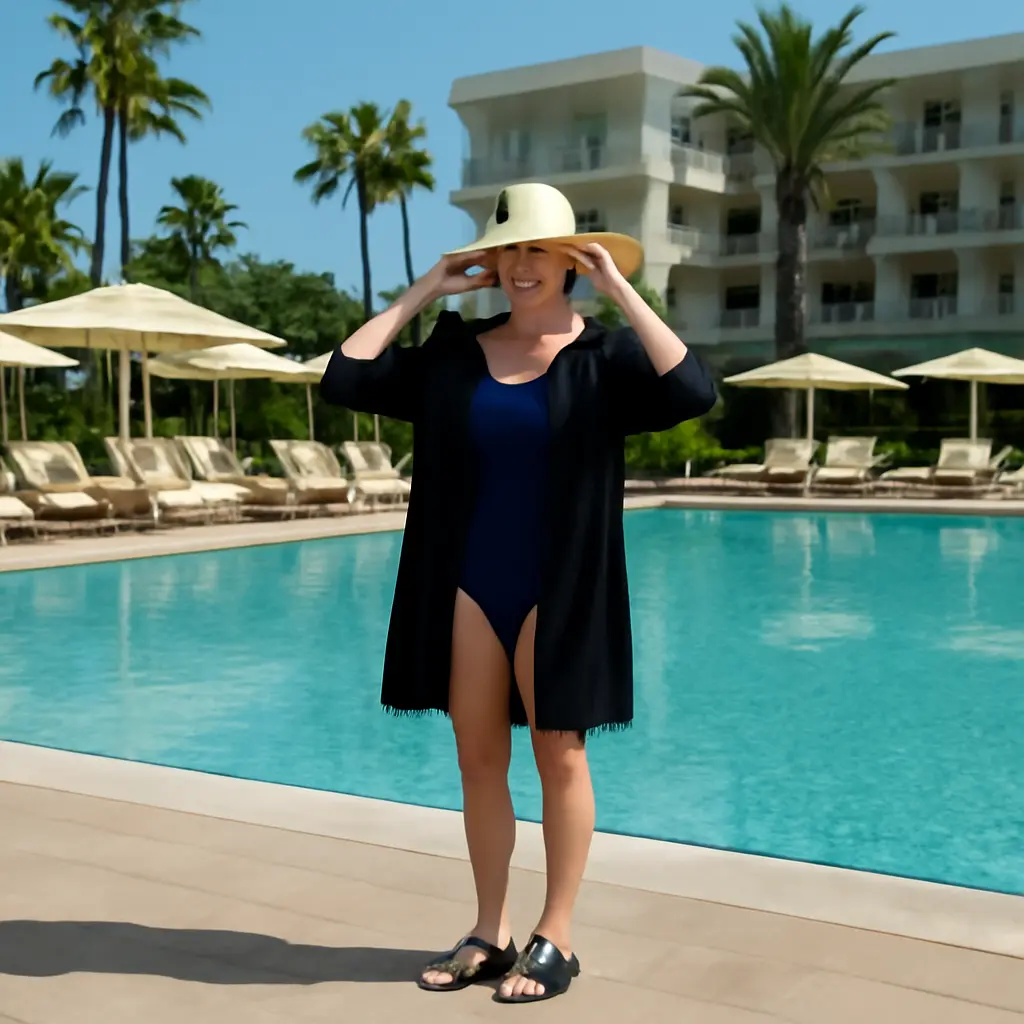
A cover-up is a garment worn over swimwear for modesty, warmth, or movement between the pool and other spaces. Thin white cotton, loose crochet, and lightweight gauze can become more revealing when wet or backlit. Before packing, check the garment in bright light and consider how its fabric behaves damp. For a quick walk to the café or lobby, choose a darker, denser weave or a lined style rather than relying on a sheer beach layer.
Mistake 2: Choosing swimwear for photographs instead of movement
Swimwear should stay secure when its wearer sits, bends, climbs steps, and swims. A suit that needs constant adjustment can turn a polished look into a practical nuisance. Try the garment through those movements before travel, and check whether straps, seams, and closures feel stable. Fit is personal; the useful test is whether the suit supports the activities planned without restricting breathing or movement.
Mistake 3: Wearing fabrics that stay heavy and uncomfortable
Fabric choice affects drying time, comfort, and how a garment feels after a swim. Cotton can absorb water and remain heavy, while purpose-made swim fabrics are designed for use in and around water. For the layer worn after swimming, quick-drying materials and easy-to-remove styles are often more comfortable than thick, clingy pieces. Check care labels, since chlorine and repeated sun exposure can affect fabric and color over time.
Poolside footwear mistakes and safer transitions
A pool deck is a wet walking surface, so footwear is part of practical dressing rather than a decorative afterthought. The CDC’s Model Aquatic Health Code is a guidance framework for public aquatic venues, and facility rules may address hygiene and footwear in specific areas. Travelers should follow posted instructions and choose shoes that are easy to remove where required. The key distinction is between footwear suitable for wet, shared surfaces and shoes better reserved for dry indoor spaces.
Mistake 4: Wearing smooth-soled fashion slides on wet tile
A fashionable slide is not automatically a dependable pool shoe. Smooth soles may feel unstable on wet tile, and loose footwear can be awkward on stairs. Choose a secure, water-tolerant pair with a treaded sole, and walk carefully rather than rushing around the deck. No shoe guarantees traction on every surface, so obey signs and avoid running.
Mistake 5: Taking pool shoes into every indoor space
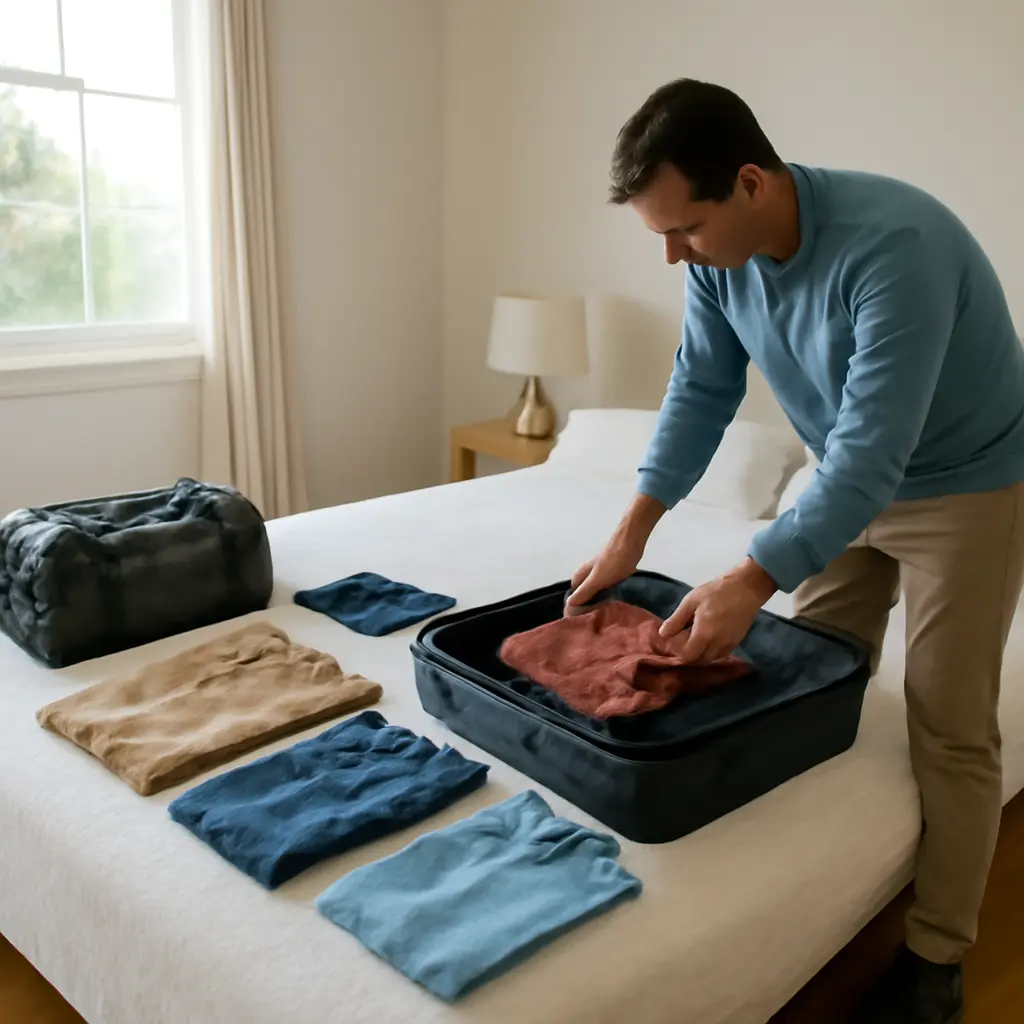
Pool shoes can carry water and debris into changing rooms, restaurants, or guest areas, while some facilities require shoes to be removed or changed at designated points. Keep a dry pair available if the venue’s rules or your plans call for one. A simple shoe bag also helps separate damp footwear from clean clothing in luggage.
Poolside sun-protection mistakes and what to wear instead
Sun-protective dressing uses garments and accessories to reduce direct exposure, alongside shade and sunscreen. The WHO recommends combining protective clothing, shade, and sunscreen rather than treating any one measure as complete protection. A hat or shirt can help, but exposed skin still needs appropriate protection, and garments vary in coverage depending on their weave, fit, and condition.
Mistake 6: Treating a cover-up as a substitute for sun protection
An ordinary cover-up is not necessarily rated or designed to provide a specific level of ultraviolet protection. For extended outdoor time, look for clothing labeled with an Ultraviolet Protection Factor (UPF), which indicates how much ultraviolet radiation a fabric blocks under test conditions. The Skin Cancer Foundation explains that UPF applies to fabric, whereas SPF is used to describe sunscreen protection. Use both clothing and sunscreen as directed, and seek shade when available.
Mistake 7: Forgetting the hat, sunglasses, or a dry layer
Accessories are easy to overlook when packing swimwear, yet a brimmed hat and sunglasses can make outdoor lounging more comfortable. Choose sunglasses that provide UV protection, and pack a dry layer for air-conditioned interiors or the journey back to a room. These pieces are useful beyond the pool, so they earn their space in a travel bag.
Poolside etiquette mistakes in hotels and shared facilities
Poolside etiquette is the practice of dressing and behaving in ways that respect a venue’s rules and other guests’ comfort. Requirements vary by property, country, and facility: some pools specify acceptable swimwear, footwear, or where guests may walk in bathing suits. The CDC advises swimmers to follow pool rules and facility guidance. When in doubt, check the hotel’s policy before arrival instead of assuming every resort operates like a beach.
Mistake 8: Walking through restaurants or lobbies in wet swimwear
A swimsuit appropriate on a pool deck may not suit a dining room or lobby, and dripping clothing can make shared floors uncomfortable for others. Put on a dry cover-up before leaving the pool area, and bring a towel or change of clothes if moving between facilities. This small transition keeps the outfit practical without requiring a full change after every swim.
Mistake 9: Ignoring posted dress codes and local expectations
Dress codes can differ even between pools in the same destination. A resort may permit a particular style on its deck but require shirts or cover-ups in food-service areas; public pools may have their own swimwear and hygiene rules. Read signs, ask staff when instructions are unclear, and pack a versatile layer that makes it easy to adapt.
A practical poolside packing checklist
A small checklist can prevent most poolside dressing mistakes without overpacking. Build the kit around the day’s activities and the venue’s rules:
- Swimwear that stays comfortable and secure during movement.
- A cover-up that remains suitably opaque when damp, plus a dry layer for indoor spaces.
- Water-tolerant footwear with a treaded sole, subject to facility rules.
- A hat, UV-protective sunglasses, and sunscreen appropriate for the wearer and conditions.
- A bag or pouch to keep wet clothing and shoes separate from dry items.
For illustration, imagine a traveler heading from an outdoor hotel pool to lunch indoors. A secure swimsuit, a darker quick-drying cover-up, pool shoes left at the designated area, and a dry layer for the restaurant solve several common problems at once. The example is simple, but it shows why a pool outfit should be planned for the whole route rather than only for the water.
Conclusion: Poolside dressing mistakes are avoidable with a few smart choices
The most persistent poolside dressing mistakes involve sheer wet cover-ups, poorly fitting swimwear, uncomfortable fabrics, slippery footwear, incomplete sun protection, and overlooking shared-space etiquette. Choose garments for movement and drying, add protective layers and accessories, and check venue rules before travel. A thoughtful poolside wardrobe is not about following one style formula; it is about feeling comfortable, protecting yourself from the sun, and respecting the setting. Before your next trip, review the hotel’s pool guidance and test your planned outfit in the conditions you expect to wear it.
Sources: Centers for Disease Control and Prevention, Healthy Swimming, https://www.cdc.gov/healthy-swimming/; Centers for Disease Control and Prevention, Model Aquatic Health Code, https://www.cdc.gov/model-aquatic-health-code/; World Health Organization, Ultraviolet radiation, https://www.who.int/news-room/fact-sheets/detail/ultraviolet-radiation; The Skin Cancer Foundation, Sun-Protective Clothing, https://www.skincancer.org/skin-cancer-prevention/sun-protection/sun-protective-clothing/