Layering is the deliberate combination of garments to manage warmth, shape, texture, and visual formality. To turn daytime pieces into dinner looks, keep a comfortable base, add one polished layer, and use proportion, fabric, and accessories to signal an intentional evening outfit. This approach matters because it can extend the usefulness of clothes already in a wardrobe: the U.S. Environmental Protection Agency estimates that 11.3 million tons of textiles were landfilled in the United States in 2018, underscoring the value of wearing garments longer. The methods below cover outfit structure, fabric and silhouette choices, finishing details, and practical examples—without suggesting that a new purchase is necessary.
Build Dinner-Ready Outfits Through Advanced Layering
Advanced layering is a styling method in which garments are arranged in purposeful, visible or partially visible layers to create a cohesive look suited to changing temperatures and occasions. It is not simply wearing more clothes: each layer should contribute to comfort, shape, texture, or formality. The U.S. Environmental Protection Agency’s textile-waste figures provide useful context for this wardrobe-first approach, though they do not measure the environmental impact of any particular outfit or layering technique.
A reliable transition follows three steps: retain a daytime foundation, replace or refine the outer layer, and add a small number of evening cues. Those cues might be a sharper jacket, a lustrous fabric, a defined waist, or more deliberate shoes and jewelry. The best choices depend on the dinner setting, weather, and personal comfort—not a fixed dress code.
Start With a Lightweight Foundation
A foundation layer sits closest to the body and determines comfort and how smoothly later pieces fit. A fine-gauge knit, a well-fitting T-shirt, a shell, or a simple shirt can all work. For evening, favor a neat neckline and a fabric that does not bunch under a jacket or overshirt. If the daytime base is casual, keeping it clean and well-fitted helps the rest of the outfit read as intentional rather than improvised.
Use a Structured Middle Layer
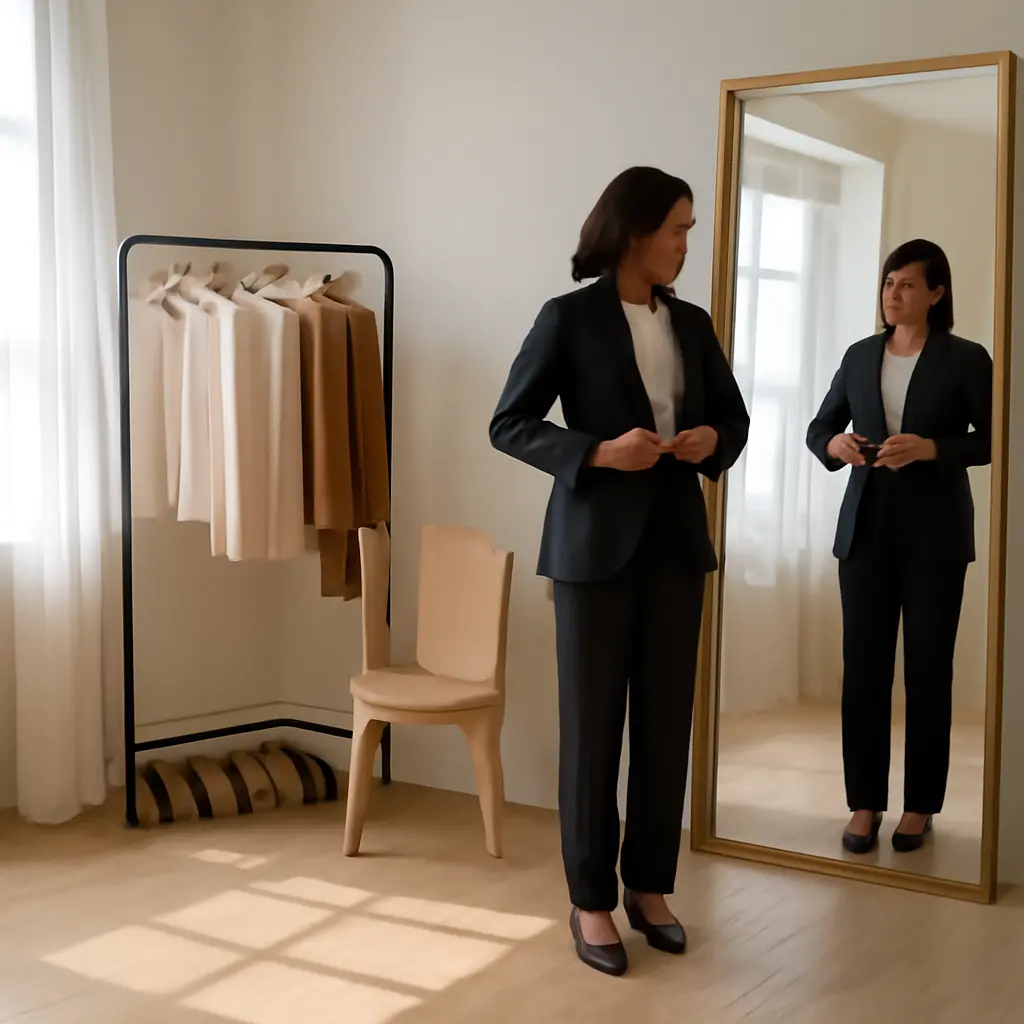
A middle layer adds definition and is often the most effective way to raise an outfit’s formality. A blazer over a T-shirt, a waistcoat over a fine knit, or a cropped jacket over a dress can create a clearer silhouette. Choose a layer that moves comfortably when worn over the base; shoulders, sleeves, and closures should not pull. For dinner, a single structured piece usually has more impact than several competing layers.
Finish With an Optional Outer Layer
An outer layer protects against weather and can frame the outfit on arrival. A long coat, trench, or polished leather jacket may complement dinner clothes, but it need not remain on indoors. Consider how the outfit looks both with and without it. This is especially useful when the journey to dinner is colder than the restaurant, since removable layers provide warmth without dictating the indoor look.
Refine Day-to-Night Layering With Fabric and Silhouette
Once the layer order is established, fabric and silhouette determine whether the result feels relaxed, polished, or formal. A useful principle is contrast with restraint: pair a familiar daytime piece with one noticeably different texture or a more defined shape. The contrast should be visible enough to register but not so strong that the outfit feels divided into unrelated parts.
Contrast Matte and Lustrous Textures
Texture contrast means combining surfaces that reflect light or drape differently. Denim with satin, cotton with velvet, or a matte knit with a subtly glossy skirt can make everyday pieces feel considered. Keep the palette coherent, especially when combining several textures. One lustrous element is often sufficient; adding shine to every layer can make a casual outfit harder to balance.
Balance Volume and Proportion
Proportion is the relationship between the lengths and volumes of garments. A roomy blazer can work over a slimmer base, while a full skirt may pair well with a shorter jacket or a tucked-in top. These are styling options, not rules: the goal is to make the layers’ outlines legible and comfortable. If several pieces are oversized, define the shape with a belt, an open front, or a visible waistline rather than adding another bulky layer.
Coordinate Color Across Layers
Color coordination connects separate garments into one outfit. A tonal palette—different shades of one color family—can make mixed fabrics look unified, while a neutral base can support one stronger accent. Repeating a color in two places, such as shoes and a bag or a top and a small accessory, gives the eye a visual link. These are practical design principles rather than quantified guarantees of how an outfit will be perceived.
Elevate Daytime Pieces With Evening Finishing Details
Finishing details are the smaller choices that clarify an outfit’s destination. They include shoes, jewelry, bags, belts, and the way a garment is worn. Because these details can be changed quickly, they are useful when the main clothes need to remain suitable for a full day of work, errands, or travel.
Choose Accessories With a Clear Role
An accessory should either reinforce the outfit’s polish or provide a deliberate point of contrast. A compact evening bag, a simple statement earring, or a belt that defines the waist can be enough. Avoid adding several prominent accessories at once if the clothes already feature bold prints, strong texture, or visible hardware. Editing the look is often as important as adding to it.
Use Shoes to Shift the Outfit’s Register
Shoes strongly affect an outfit’s overall impression because they complete its outline and influence how formal or relaxed it appears. A clean loafer, refined flat, ankle boot, or dressier heel can each work depending on the occasion and the wearer’s needs. For a long day, prioritize fit and walking comfort; a polished shoe that can be worn comfortably is more practical than an uncomfortable option chosen only for appearance.
Adjust Styling Rather Than Replacing the Whole Outfit
Small adjustments can create a noticeable transition: roll or remove a daytime cardigan, open a jacket to show a more refined base, tuck a shirt, or change from a large tote to a smaller bag. A real-world example is a daytime combination of straight-leg trousers, a cotton top, and a cardigan. For dinner, the cardigan can give way to a blazer, while a belt and compact bag sharpen the result. The core outfit remains familiar, but the structure and finishing details change its emphasis.
Plan Practical Layering for Different Dinner Settings
The appropriate amount of polish depends on the setting. A neighborhood restaurant, a work dinner, and a special occasion may call for different fabrics and accessories. Check the venue’s stated dress guidance when available, and consider temperature, travel time, and whether the outfit must work across several activities.
For a Casual Dinner
Keep the base relaxed and add one elevated layer, such as a tailored jacket over dark jeans or a fine knit over a simple dress. A clean shoe and one understated accessory can finish the look without making it feel overdone. The key is visible care in fit and condition, not necessarily formal clothing.
For a Work Dinner
Choose a layer that looks composed in a professional setting but remains comfortable at the table. A blazer, a neat cardigan-jacket, or a structured overshirt can work over a simple base. Keep accessories practical and avoid layers that restrict movement. If the outfit has been worn all day, removing a rumpled layer or refreshing the neckline can help it look deliberate.
For a Special Occasion
A special occasion may justify a more distinctive texture, stronger color, or refined accessory, while the underlying outfit can still include everyday staples. For example, a simple dress can be paired with a tailored jacket and more formal shoes. Let one element carry the emphasis and keep the remaining layers supportive. Always account for the venue and the wearer’s comfort rather than assuming that every occasion requires the same level of formality.
Conclusion: Make Day-to-Night Layering Intentional
Advanced layering turns daytime pieces into dinner looks by combining a comfortable foundation, a purposeful middle layer, and an optional outer layer. Fabric contrast, balanced proportions, coordinated color, and carefully chosen finishing details help the outfit feel cohesive. The EPA’s textile-waste data also offers a broader reason to make the most of existing clothes, although wardrobe reuse is only one part of addressing textile impacts. Start with pieces already in your closet, test combinations before you need them, and adapt the final layers to the weather, venue, and your own comfort.
Sources: U.S. Environmental Protection Agency, Textiles: Material-Specific Data, https://www.epa.gov/facts-and-figures-about-materials-waste-and-recycling/textiles-material-specific-data/