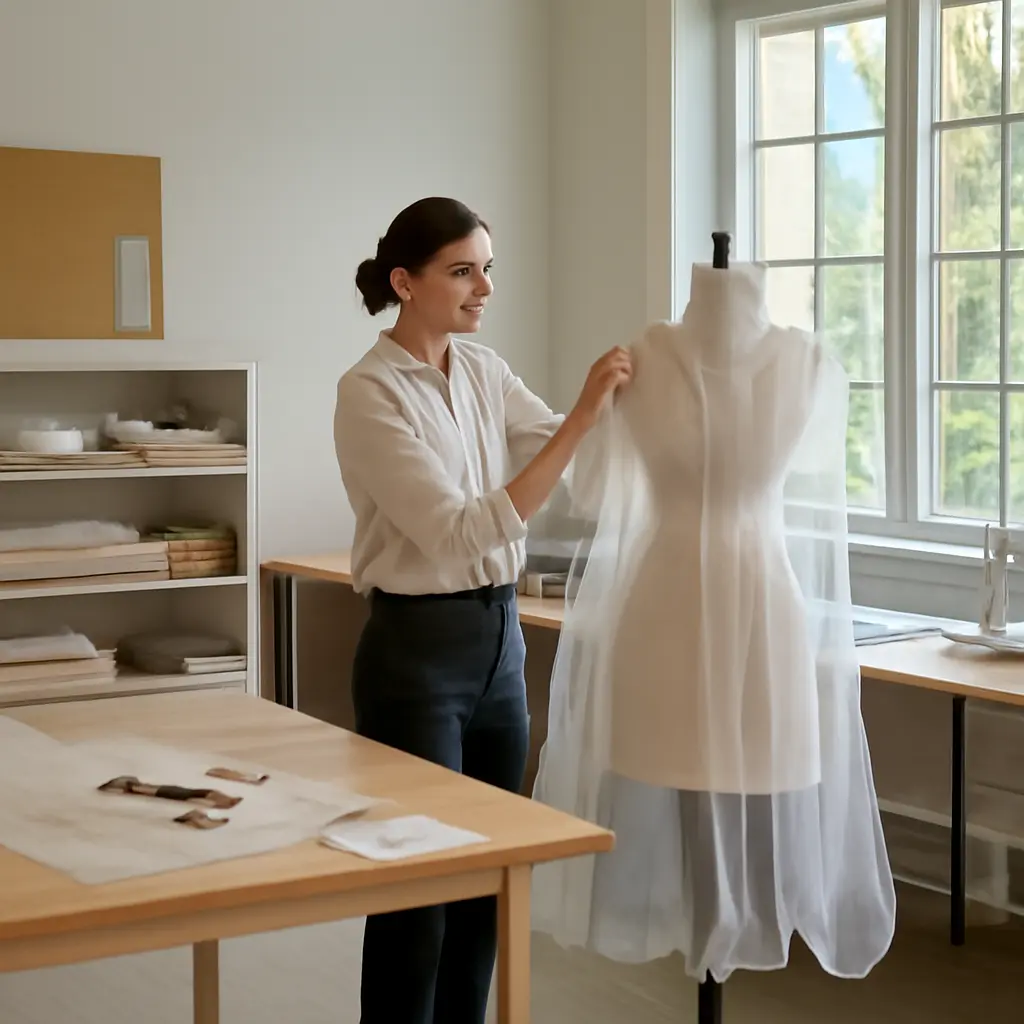
A sheer overlay is a translucent layer of fabric placed over or alongside an opaque garment layer. In luxury dresses, it can do more than soften a silhouette: designers use it to create volume, define lines, control transparency, and give a skirt or bodice its structure without relying on heavy fabric alone. The effect depends on material, cut, and construction—from stiff, sculptural tulle to fluid chiffon and carefully positioned illusion panels. Understanding how overlays work helps explain both the visual impact of couture and the practical choices involved in wearing and caring for these garments.
Sheer Overlays Create Structure Through Material and Construction
“Sheer overlay” describes a garment layer that allows some degree of the underlying layer, body, or background to remain visible. It is a construction term rather than a single fabric category: an overlay may be made from tulle, organza, chiffon, georgette, or another lightweight textile. Its structure comes from how the fabric behaves and how a dressmaker cuts, supports, and attaches it.
The distinction matters because transparency alone does not determine a fabric’s shape. The textile trade association Cotton Incorporated describes fabric properties such as weight, drape, and construction as factors that influence how a material performs. In dress design, a crisp, open-weave organza can hold a contour, while a soft chiffon tends to fall into folds. The overlay can therefore shape the garment while keeping its appearance light.
Tulle and Netting: Volume With Low Visual Weight
Tulle is a lightweight net fabric often used in layered skirts, veils, and sleeves. Its open mesh lets light pass through, while multiple layers can build volume. Designers may gather or pleat tulle over a lining, attach it to a waistband, or arrange it in graduated tiers to create a bell, dome, or floating silhouette.
The structure is cumulative: each layer contributes some body, and the number, width, and placement of layers affect the final outline. For instance, a ball gown may use a comparatively firm net beneath softer tulle to support the skirt, while a single fine layer can soften an otherwise simple silhouette. The specific result depends on the textile’s stiffness and the pattern; “tulle” alone does not guarantee a particular amount of volume.
Organza: Crisp Shape and Defined Edges
Organza is a sheer, crisp fabric commonly made from silk or synthetic fibers. Its relatively firm hand helps it hold folds and curved forms, making it useful for ruffles, overskirts, sleeves, and sculptural accents. When layered over an opaque base, organza can add dimension while preserving a clear view of the underlying color or embroidery.
Designers can use organza to create an architectural outline without making the whole dress heavy. A flared organza panel, for example, may retain a sharper edge than a comparable chiffon panel. This makes organza especially suited to designs in which the overlay itself must visibly support the silhouette.
Chiffon and Georgette: Movement Through Draping
Chiffon and georgette are lightweight, flowing fabrics that form soft folds rather than rigid shapes. A designer can use them as an overlay to create movement at the skirt, sleeves, or neckline. Their structure is expressed through drape: a bias-cut panel, gathered sleeve, or cascading layer responds to motion and gravity, producing a fluid contour.
These fabrics are often paired with a lining or a more stable foundation. The foundation provides coverage and fit; the sheer layer adds softness, depth, and movement. This two-layer approach shows how overlays can contribute to a dress’s form even when the overlay does not hold a stiff shape on its own.
Sheer Overlays Shape Silhouette, Transparency, and Detail
Once fabric behavior is understood, the next question is where and how the overlay is placed. Designers use placement to direct the eye, create visual boundaries, and balance exposed and covered areas. These choices connect the overlay’s physical construction to the dress’s overall design.
Layering Builds Skirt and Sleeve Silhouettes
A layered overlay is a sheer panel or series of panels arranged over a base garment. In skirts, layers can increase fullness, create graduated transparency, or produce a trailing effect. In sleeves, a sheer layer may add volume or length while keeping the arm visible beneath it.
The silhouette depends on details such as seam placement, gathering, panel width, and attachment points. A gathered overlay anchored at the waist can expand outward; a long, unanchored panel may hang vertically. These construction choices make layering a design tool, not merely a decorative finish.
Illusion Panels Define the Bodice
An illusion panel is a sheer section—often fine net or tulle—positioned to create the appearance of an open neckline, back, or sleeve while still connecting and supporting parts of the garment. It can bridge the space between a collar and bodice, secure lace appliqué, or provide a foundation for a design that appears to sit directly on the skin.
The panel’s shade, stretch, seam finish, and fit affect how visible it is. “Illusion” is therefore an intended visual effect, not a guarantee that the material will be invisible under every light or against every skin tone. A well-fitted panel can contribute to the bodice’s stability, but its strength depends on the fabric and the way it is attached.
Embroidery and Appliqué Add Localized Structure
Lace, beading, and appliqué can be stitched onto a sheer overlay to create contrast and visual emphasis. Because the underlying layer remains partly visible, motifs may appear to float across the dress. Their placement can trace seams, frame a neckline, or draw attention toward the waist and hem.
Decorative work also changes how an overlay behaves. Dense embroidery or beadwork adds weight in specific areas, which can affect drape and balance. Couture construction must account for that added load, particularly on fine net or chiffon; reinforcement and careful distribution help prevent sagging or distortion.
Sheer Overlays Require Careful Fit, Support, and Maintenance
A successful overlay must work both visually and physically. The designer or tailor needs to consider how the layer moves, where its weight is carried, and how it interacts with the wearer’s body and the opaque foundation. These practical factors determine whether an elegant effect remains comfortable and durable.
Fit and Foundation Layers Control the Result
A foundation layer is the opaque or more stable garment beneath a sheer overlay. It establishes coverage, fit, and support, while the overlay modifies the appearance. If the foundation is too loose, the sheer layer may shift or wrinkle; if it is too tight, strain can distort seams and delicate fabric.
Fittings should assess the complete dress rather than the overlay in isolation. The wearer should test sitting, walking, and raising the arms, since these movements reveal pulling, snagging, and changes in transparency. For a special-occasion dress, a professional fitting can also identify whether the overlay needs discreet anchoring or alterations to preserve its intended shape.
Care Protects Delicate Sheer Fabrics
Fine netting and lightweight woven fabrics can snag, stretch, or crease, while embellishments may require separate handling. Care instructions vary by fiber, dye, lining, and decoration; the garment label and the maker’s guidance should take priority over general rules. The Federal Trade Commission’s care-labeling guidance explains that labels provide care instructions for apparel, making them an important starting point for maintenance.
For a valuable or heavily embellished dress, consult a cleaner experienced with formalwear before treatment. Store the garment away from rough surfaces and sharp accessories, and avoid hanging delicate areas from points that could concentrate weight. These precautions help preserve the overlay’s drape and the dress’s carefully engineered silhouette.
Conclusion: Sheer Overlays Make Lightness Structural
Sheer overlays create structure through a combination of fabric behavior and garment construction. Tulle builds airy volume, organza holds crisp forms, and chiffon or georgette creates movement; layering, illusion panels, and applied embellishment then shape how those materials define a dress. Fit, foundation support, and careful maintenance help preserve the result.
When evaluating a luxury dress, look beyond whether its surface is transparent: notice what the overlay supports, where it adds volume, and how it changes the silhouette in motion. For further guidance, review the garment’s care label and consult a qualified tailor or formalwear specialist before altering or cleaning delicate layers.
Sources: Cotton Incorporated, CottonWorks: Fabric Fundamentals, https://www.cottonworks.com/en/topics/sourcing-manufacturing/fabric-types/; Federal Trade Commission, Care Labeling Rule, https://www.ftc.gov/legal-library/browse/rules/care-labeling-rule